


Failure Analysis
Understanding the causes of a product’s malfunction
Failure Analysis is a fundamental investigative process for understanding the causes of defects, breakages, or malfunctions that can occur in plastic products. Through the application of various analytical and diagnostic techniques, it is possible to trace the origin of the problem, identifying the factors that contributed to the material’s failure.
Understanding the causes of failure allows corrective measures to be taken to prevent the same problem from recurring in the future, improving the design and production process of plastic products. Moreover, in cases of disputes or complaints, failure analysis provides objective evidence to clarify responsibilities and resolve disputes.

How is a Failure Analysis carried out?
The Failure Analysis process involves several phases ranging from the collection of all the necessary information to the preparation of the final report.

Information gathering
Data is collected on the defective product, its usage conditions, the exposure environment, and any previous malfunctions.

Visual examination
A visual inspection of the product is carried out to identify the type of defect (breakage, deformation, cracks, etc.) and the areas most affected.

Laboratory tests
Various laboratory tests are carried out to characterize the material, identify its composition, determine its mechanical, thermal, and chemical properties, and analyze the fracture surface.

Identification of causes
Through the integration of the information collected and the results of the analyses, the causes of the failure are traced, which may be related to manufacturing defects, design errors, improper use, adverse environmental conditions, or material degradation.

Report preparation
A detailed report is prepared describing the analysis process, the results obtained, the causes of the failure, and the recommendations for preventing future problems.
What techniques are used?
In our laboratory, we use various techniques for Failure Analysis of plastic materials, including:
- Optical and electron microscopy (SEM) for analyzing the morphology of fracture surfaces and identifying microstructural defects.
- FT-IR spectrophotometry for identifying of polymers and additives present in the material.
- Differential scanning calorimetry (DSC) for determining the thermal properties of materials.
- Mechanical tests (tensile, flexural, impact) for evaluating mechanical properties of materials and identifying any defects.
- Chemical analyses for determining the elemental composition and the presence of contaminants.
Useful Resources

Polypropylene (PP) Impact Failure: Why Parts Shatter in the Cold
A plastic housing that survives years of handling on a factory floor can crack the instant it is dropped on a loading dock in January. For engineers working with polypropylene, this is not...

Plastanalisi Closed for Summer Break
Summer is here, and we’re taking a short break! Our office will be closed from Monday, August 3rd through Friday, August 21st. We’ll be back in action and returning to normal operations on...
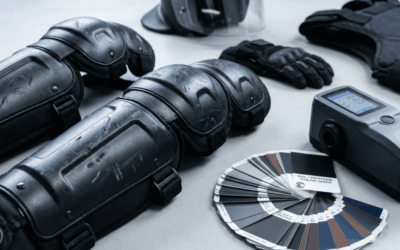
Testing Riot Gear: Izod Impact and Colour Consistency in Polyamide
Why Testing Riot Gear Components Matters For manufacturers of riot control suits, the performance of plastic components is directly linked to operator safety, liability, and brand...
Contact a Plastanalisi Technician
Do you need to analyze a plastic product? You are just a few clicks away from finding the answer to all your questions.