


Plastic Materials Characterization
Understanding the composition and properties of materials
The characterization of plastic materials is a crucial process for fully understanding their composition, structure, and properties. Through a series of chemical and physical analyses, it is possible to obtain valuable information about the nature of the polymers, the presence of additives, fillers, and reinforcements, as well as their mechanical, thermal, and chemical characteristics.
Characterization tests are essential for determining the type of polymer present in a manufactured article, distinguishing between different plastics and identifying any contaminants.
This type of analysis also helps with selecting the most suitable polymers, additives, and reinforcements to achieve the desired properties in a plastic product, as well as defining the most appropriate processing conditions.

Characterization tests performed by Plastanalisi
In our laboratory, we perform a wide range of characterization tests to meet the diverse needs of our clients. Below are the main analyses we offer:
Material Identification & Composition Analysis
Polymer Identification & Contaminant Detection
Through spectroscopic techniques (FTIR, ATR) and other methods such as thermal analysis (DSC) and specific tests, we identify the type of polymer present and the presence of any contaminants that may affect the material’s properties.
Filler & Reinforcement Content
By means of incineration (ISO 3451) and other techniques, we quantify the percentage of mineral fillers (e.g., calcium carbonate, talc) or fibrous reinforcements (e.g., glass fiber, carbon fiber) present in the material.
Additive Analysis
We identify and quantify the presence of additives such as antistatic agents, lubricants, colorants, antioxidants, and others, which are added to plastic materials to improve their properties and performance.
Copolymers Composition
We quantify the percentage of different monomers that make up a copolymer (e.g., % AN, PB, PS in ABS or the % of PE and PP in polyolefin blends), providing information on its chemical composition.
Multilayer Film Analysis
We analyze the structure and composition of multilayer plastic films, determining the type of polymer present in each layer and the presence of any adhesives or surface treatments.
PTFE & MoS₂ Content
We quantify the percentage of Teflon (PTFE) present in a material, a polymer with high chemical and thermal resistance. We quantify the percentage of Molybdenum Disulfide (MoS2) a lubricant that may be present in a material.
Elastomer Content in Polyamides
We identify the type and quantity of elastomers that may be present in a polyamide; elastomers are often used to improve the toughness and impact resistance of the polyamide matrix.
Failure Analysis & Compliance Testing
Failure Investigation
These studies aim to highlight the causes of defects, breakages, or malfunctions that may occur in plastic products. Through the application of various analytical and diagnostic techniques, it is possible to trace the origin of the problem, identifying the factors that contributed to the material’s failure.
RoHS Compliance
We verify the compliance of plastic materials with the RoHS regulation, which restricts the use of certain hazardous substances (e.g., lead, mercury, cadmium, hexavalent chromium) in electrical and electronic products.
UNI 10667 Verification
This standard pertains to the recycling and recovery of plastic waste, as well as by-products of plastic materials. The specific standards define, the test methods for various types of materials to measure parameters such as tensile strength, elongation at break, Shore hardness, and glass transition temperature. These tests are fundamental for ensuring that plastic materials meet the required standards in terms of safety and performance.
Heavy Metal Detection
Through spectroscopic techniques (ICP-OES, AAS), we verify the presence of heavy metals in the material, ensuring compliance with environmental regulations (e.g., RoHS).
Anion Detection in Aqueous Matrices
We analyze the presence of anions (e.g., chloride, sulfate, nitrate) in aqueous solutions extracted from plastic materials, to assess contaminants or degradation products.
Density Measurement
We determine the density of molded pieces and granules (ISO 1183), a key physical property for the characterization of plastic materials.
Moisture Content Analysis
We measure the amount of moisture absorbed by the material, which is crucial for both the processing and properties of the material.
Color Measurement
We measure the color of plastic materials using specific instruments, providing information on hue, brightness, and saturation.
Mechanical & Thermal Testing
Mechanical Properties
Tensile (ISO 527), Flexural (ISO 178), IZOD impact (ISO 180): tests aimed at determining the mechanical characteristics of specimens to understand their mechanical behavior.
Thermal Performance
HDT (ISO 75), VICAT (ISO 306) tests aimed at determining the thermal characteristics of the material to evaluate its behavior.
Tribological Tests
Through analysis with a tribometer we perform the Taber test, which evaluates the abrasion resistance of plastic materials, simulating the wear caused by friction.
ISO Specimen Molding
Using injection molding presses and our expertise in plastic materials molding, we can produce specimens conforming to ISO standards for various tests.
Useful Resources

Polypropylene (PP) Impact Failure: Why Parts Shatter in the Cold
A plastic housing that survives years of handling on a factory floor can crack the instant it is dropped on a loading dock in January. For engineers working with polypropylene, this is not...

Plastanalisi Closed for Summer Break
Summer is here, and we’re taking a short break! Our office will be closed from Monday, August 3rd through Friday, August 21st. We’ll be back in action and returning to normal operations on...
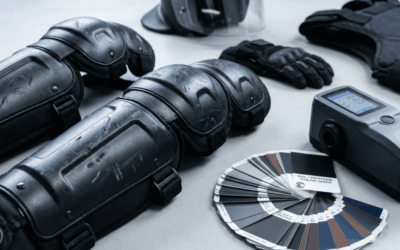
Testing Riot Gear: Izod Impact and Colour Consistency in Polyamide
Why Testing Riot Gear Components Matters For manufacturers of riot control suits, the performance of plastic components is directly linked to operator safety, liability, and brand...
Contact a Plastanalisi Technician
Do you need to analyze a plastic product? You are just a few clicks away from finding the answer to all your questions.